
The Allure of Casinos and the Mindset of Gamblers
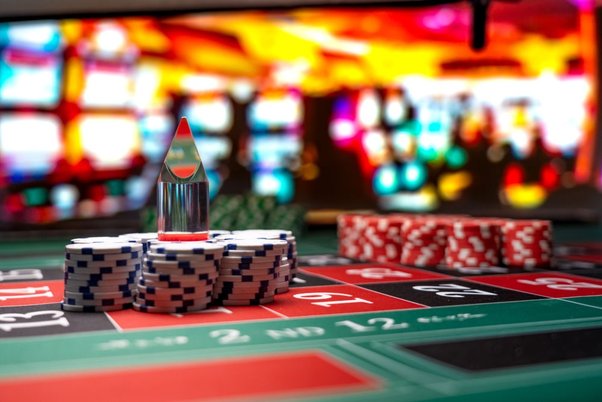
Casinos are designed to be enticing environments, filled with vibrant colors, sounds, and lighting that create an immersive experience. This atmosphere captivates visitors, appealing to their senses and encouraging them to engage in the games offered. Winning at a casino is not just about luck; it’s deeply connected to the psychological factors at play. In fact, understanding these factors can significantly enhance one’s experience and potentially influence their chances of success, especially at locations like non gamstop casino.

The mindset of gamblers often revolves around the thrill of the chance to win. This sense of excitement can lead to the phenomena of “near misses,” where players come close to winning, triggering feelings of hope and continuation. These psychological elements operate on the brain’s reward system, prompting individuals to chase the next big win, which often leads to prolonged periods of play.
The Role of Cognitive Biases in Gambling
Cognitive biases significantly impact decision-making in gambling. Many players fall victim to the illusion of control, believing that they can influence the outcome of random games. This belief can lead to a skewed perception of their actual odds and an increased tendency to gamble. The gambler’s fallacy, for instance, leads individuals to think that past results influence future outcomes in games of chance, despite each spin or deal being independent.
Additionally, confirmation bias plays a significant role in how players process their experiences at casinos. Gamblers may only remember their wins and overlook losses, reinforcing a false sense of success. This selective memory can encourage them to continue playing, driven by the belief that they are more successful than they truly are.
The Impact of Social Influences and Environment
The social dynamics of casinos further contribute to how individuals experience gambling. The presence of other players and the social interactions that occur can enhance the enjoyment of the games. Friends or acquaintances joining in on the fun can lead to shared excitement and collective experiences, making winning feel even more rewarding.
Moreover, the casino environment itself is meticulously crafted to encourage players to stay longer and spend more. Free drinks, enticing promotions, and the absence of clocks all play a role in extending a patron’s visit. Understanding these environmental cues can help gamblers maintain a mindful approach to their play, ensuring they keep their personal limits in check.
Strategies for Responsible Gambling
Winning at casinos can be thrilling, but it’s essential to approach gambling with a strategy grounded in responsibility. Setting limits on time and money is crucial to enjoying the experience without falling into the pitfalls of addiction. Having a budget allows players to enjoy the games without the stress of financial strain or regret.
Additionally, knowing when to walk away is a critical skill for successful gaming. Acknowledging the distinction between entertainment and financial gain helps maintain a healthy perspective. Players who understand their motivations and cravings can engage more mindfully, enhancing their overall enjoyment while minimizing potential negative consequences.
Enhancing Your Well-being Through Responsible Gambling
Our website is dedicated to empowering individuals in achieving a balanced lifestyle, which encompasses responsible gambling practices. By providing insights and strategies, we aim to help users navigate the complexities of gambling while maintaining their well-being. We believe that understanding the psychological aspects behind winning can lead to a more fulfilling gaming experience.
Join us as we explore the various dimensions of work-life balance and how it intersects with leisure activities like gambling. Our platform offers resources and community support, encouraging everyone to engage in responsible gambling and enjoy the benefits of recreational gaming without compromising personal health and happiness.